To foster a sense of peace of mind and safety, it is important to consider ways to activate both the brain and genes. Creating an environment that supports this activation—and ultimately leads to a greater sense of well-being and safety—begins with optimizing daily lifestyle habits. Key areas for improvement include diet, sleep, and strength training. The brain is the organ that consumes the most energy. Intake of processed foods high in additives, preservatives, artificial coloring, and trans fats should be minimized. To ensure sufficient energy, aim for a balanced intake of fats, proteins, and carbohydrates. Ideally, one should consume a mix of these macronutrients and other sources—such as fatty fish rich in omega-3 fatty acids, vegetables like tomatoes and broccoli, vitamin-rich fruits, minerals, fermented foods (which improve gut health and boost immunity), carbohydrates like soba noodles and brown rice, nuts, and lean meat. Furthermore, strength training helps convert consumed food into energy. Combining a healthy diet with strength training improves concentration and immunity, suppresses inflammation in the body, and consequently reduces mental stress.
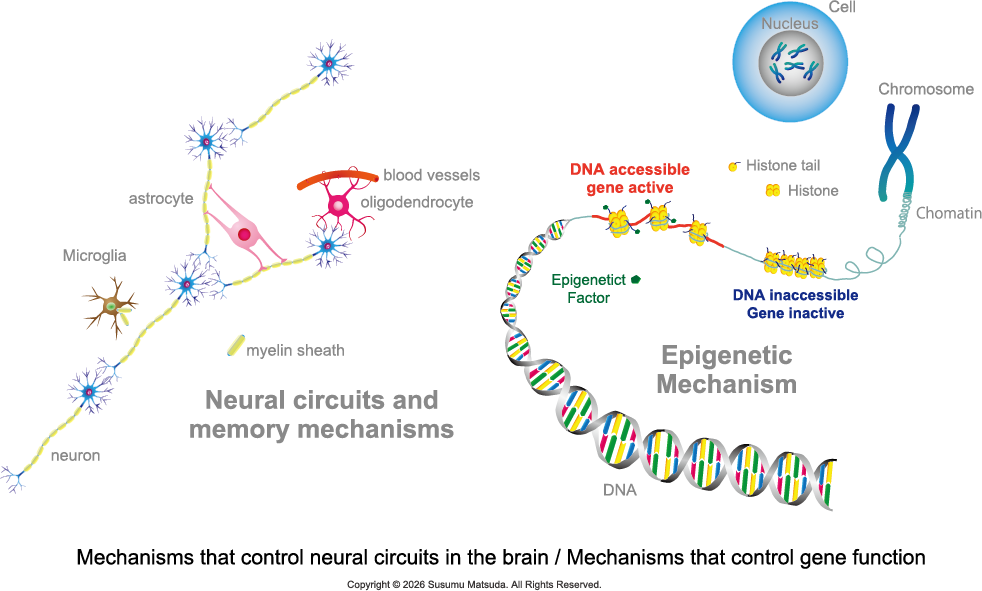
Maintaining optimal brain function requires at least seven hours of sleep. During sleep, the brain’s glial cells perform vital maintenance tasks. Sleep deprivation hinders this maintenance process, impairs short-term memory performance, and negatively affects overall memory capacity. Brain performance is enhanced by energy derived from food and the restorative effects of sleep. It is also known that diet and muscle strength influence cellular activity and, by extension, the genes within cells. Improving dietary quality and engaging in strength training enhances the body’s responsiveness. A certain amount of stress is actually essential for health and safety. Moderate stress—such as that which triggers a sense of fear—activates neurons in the brain. Stress associated with the joy of living has been shown to stimulate the generation of new neurons. A moderate amount of stress can also boost motivation. Engaging in such actions revitalizes one’s living environment and fosters a sense of awe accompanied by deep emotional resonance. This process involves the addition of “tags” that switch DNA activity on or off. Repeatedly experiencing such awe-inspiring moments triggers epigenetic changes that alter the state of one’s DNA, initiating a shift toward a state of safety and security. As mentioned in Blog Post 17, the “extraordinary experiences” referred to here encompass the beauty of the human spirit, the wonders of nature, the emotional impact of music and art, the mysteries of life, and revelations regarding life and death. Through these experiences, the mind and body are purified, anxiety is alleviated, the desire for happiness is heightened, stress is eased, and the conditions necessary for innovation are established.